Filter By
Soap base colour
Soap base colour
Soap base
Making soap from melt and pour soap base is a great way to start exploring the world of soap. If you are not yet clear exactly where to start, feel free to start with a soap making kit.
You probably already have most of the soap-making tools at home.
There is 1 product.
Active filters
- Soap base colour: Translucent

Selling soap base
The global melt and pour soap base market has grown by more than 40% since 2018, from around 46.6 million dollars to a projected 66.7 million dollars in 2025. Making soap from a base does not call for many tools or deep knowledge. As a result, this hobby has secured a firm place alongside traditional paper and textile crafts.
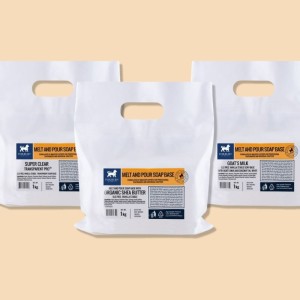
The selection includes Forbury soap bases.
Forbury products come in easily recyclable plastic packaging. The range includes 11 different soap bases.
Among the white bases, you'll find ones with goat milk, organic shea butter, a low-sweat option, and a regular white base.
The transparent range includes an SLS-free extra-clear base, SLS/SLES-free bases with organic olive oil and aloe vera juice, low-sweat bases, and bases made for swirl techniques.
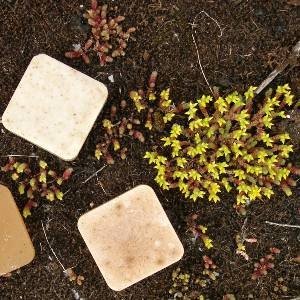
The translucent organic honey base is golden yellow.
What is the difference between glycerin soap base, ready-made soap base, and melt and pour soap base?
People often call transparent soap base glycerin soap base. Melted transparent base does look like liquid glycerin, and it does contain a large amount of glycerin. In transparent soap the glycerin content can reach up to 50%, which makes the base especially moisturizing.
Ready-made soap base is the general name that most accurately describes the product. The base is ready-to-use soap. If you like, you can cut off a piece to any size and start washing with it right away. It is far more interesting, though, to mix in scents and colors and shape the soap yourself.
The name melt and pour comes from English and describes how you make soap from the base. Melt and pour means exactly that: you melt the base and pour it into a mold. It could hardly be simpler.
Why are handmade soap bars so popular?
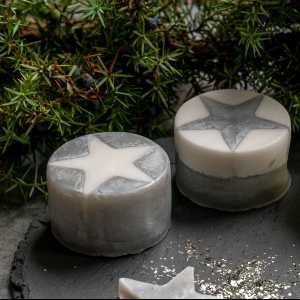
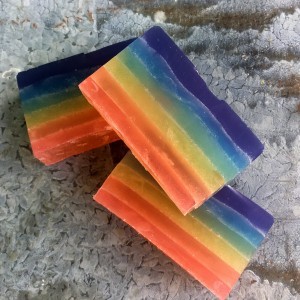
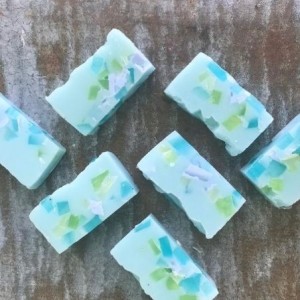
Workshops in kindergartens and care homes use melt and pour soap base. You can make both simple and complex soaps with it. Add a few drops of fragrance and color and pour the base into a mold, or take on detailed preparation to create multi-colored, patterned soaps. People of all ages and interests find something that brings them joy in making soap this way.
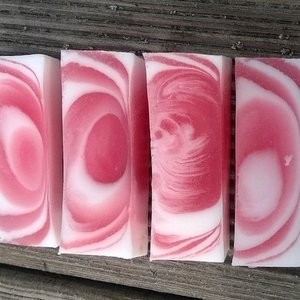
You can make striking, beautiful, and fragrant soaps that also work well as gifts.
Unlike soap made from scratch with lye, melt and pour base is ready to use as soon as it sets.
What to add to soap base
To scent and decorate soap base, use fragrances made for cosmetics – natural essential oils and aroma oils. You can tint the base with soap colorants. Add dried plants to transparent base for decoration. Find a tutorial with the quantities you need here: Making soap from melt and pour base.
What not to add to soap base
Do not add substances that are not meant for cosmetic use. This includes candle dyes and candle fragrances not intended for cosmetics, along with any hobby paints and glitters made for paper crafts that have not been skin-tested.
Do not add raw foods such as juices, fruit purees, or milk either – they will simply spoil over time.
What supplies do you need to make soap from soap base?
You probably already have most of what you need at home. You don't have to buy special soap-making tools – look around and see what you can reuse.
Melting bowl. You can melt the base in a water bath or in the microwave, so you need a heat-resistant bowl. A glass jar works well, and a half-liter jar holds a few hundred grams of base at a time. The base's own packaging is not made for melting and can deform when heated.
Knife. The base melts more evenly and is less likely to overheat if you cut it first. A larger knife cuts through a whole kilo block easily.
Use mixing spoons to stir the liquid base until smooth and to dose additives.
Alongside silicone molds, various heat-resistant containers found at home also work for shaping soap – milk cartons or heat-resistant plastic cups, as well as a plain box lined with baking paper to stop leaks.
To store finished soaps, wrap them in cling film. In an airtight wrap, the soaps keep their appearance for longer.
Related posts