Both soap made from a soap base and handmade cold process soap have their fans. Below, I’ll outline the pros and cons of these two soap-making methods.
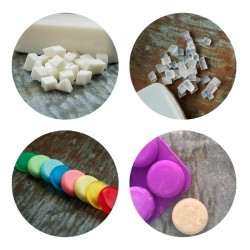
Often, a soapmaker’s first experience involves making soap from a soap base. This method doesn’t require much prior knowledge, is quicker to prepare, and the soap can be used right away. Making soap from scratch takes more know-how but allows for greater creativity and choice in ingredients.
Making soap without lye?
The most common hesitation and doubt among new soap makers is always about using soapstone. I often get inquiries asking if it is possible to replace soapstone with something or if it can be omitted?
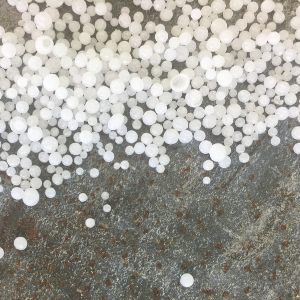
However, it is not possible to make soap without lye, because soap is created when lye reacts with fats and oils. Also melt and pour sopa bases uses lye, but the first stage of soap making, where lye is used, has already been done at the factory.
However, properly made soap does not contain a single gram of lye after preparation; it reacts with other ingredients and new substances are formed as a result of the chemical reaction.
Solid, soap-like detergents can also be made from surfactants without using lye, but it is not correct to call them soap.
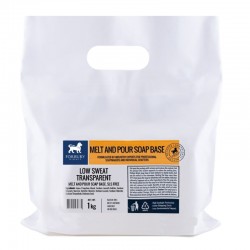
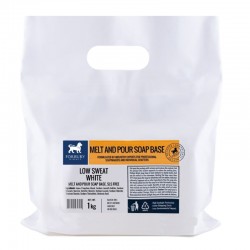
Pros of making soap from melt and pour soap base:
- does not require extensive prior knowledge
- doesn't require many tools
- the number of components is smaller
- quick to prepare
- can be used immediately
- simple recipes, it's practically impossible to mess up
- there is less weighing and measuring compared to homemade soap
- It is easier to use molds with well-detailed and fine patterns - the soaps come out of the mold easily
- The pH of soap made from soap base may be slightly lower than that of homemade soap.
Disadvantages of making soap from soap mass:
- The composition and initial components of the soap base cannot be influenced - only the scent, color and form.
- The range of additives is narrower, and the maximum amounts of additives in soap are limited.
- For layered soaps, it is necessary to wait for each layer to solidify.
- Making patterned soaps is more labor-intensive, as the details of multi-colored soaps need to be prepared separately in advance. The exception is swirl soap base, which also allows you to make patterned soaps.
- In addition to the fats and oils commonly used in soap, soap base contains stabilizing, foam-enhancing, and transparency-increasing ingredients that allow the soap to be remelted and maintain the transparency of the soap base.
- The melted soap base is liquid and does not allow the use of heavier additives, they will sink to the bottom of the mold.
Instructions for making soap from soap mass can be found here.
Pros of making homemade soap:
- You can choose all the main ingredients for making soap yourself. This gives you the opportunity to influence the properties, foaming and appearance of the soap.
- The ingredients are straightforward and nothing extra is included. You can whip up the simplest soap with just three things: olive oil, water, and lye.
- It's easy to make different patterned soaps, there are many different techniques and options.
Cons of making homemade soap:
- When working with lye, it’s important to follow safety guidelines and wear protective gear. Lye is highly corrosive and can be hazardous.
- Making homemade soap with lye requires more tools. You definitely need an accurate scale, safety glasses and gloves, and a hand blender to mix the soap.
- When changing the components in the recipe, it is necessary to recalculate the amount of lye.
- When making your own soap recipe, you need to know the properties of different fats and in what ratio to use them in soap.
- The high pH of homemade soap is not suitable for all herbal additives and dyes that you would like to use in soap - many herbs and dyes turn brown in soap.
- The soap needs time to cure. The soap can be used after about a month. The curing time can be accelerated by using the hot process method.
You can find a step-by-step guide on how to make soap with lye here.
Both soap making methods have their pros and cons. Making soap from soap base is a great way to start. It allows you to experiment with different colors and scents. You don't need to spend a lot to get started. Homemade soap with lye, however, gives you endless possibilities for experimentation and makes you want to put everything you have in your kitchen cupboard and garden into the soap pot!











Leave a comment