Unit price: €0.78 / 100 ml
Buy more to get a better price!
Discounts do not apply to products sold in bulk packaging (marked *), but their value is included when calculating the shopping cart discount.
When ordering outside Estonia, the amount in the calculation of the discount changes according to the change in VAT.
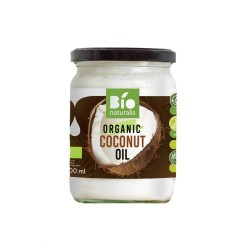
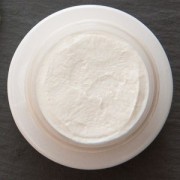
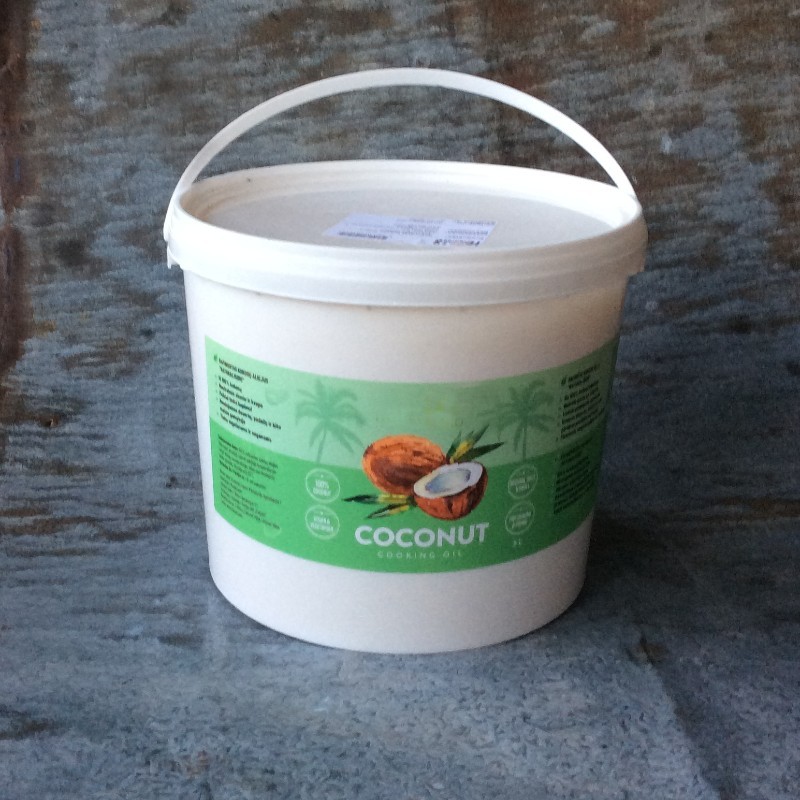
Odorless coconut oil for cosmetics and soap making. Food-grade coconut oil is packaged in a plastic bucket. 5 liters of coconut oil is ca 4,5 kg. 500 ml is packagin in a glass jar
Data sheet
Fatty acids are the main components of plant oils. They determine the viscosity, absorption rate, and other cosmetic properties of the oils. In handmade soap made from fats and lye, fatty acids influence the soap’s hardness and lathering ability. Below you will find the average fatty acid profile and information about the properties of each fatty acid.
Caprylic acid has naturally antibacterial properties that support the skin’s protective functions and help maintain a balanced skin microbiome.
Capric acid works similarly to caprylic acid, providing cleansing and protective benefits while helping to reduce irritation.
Lauric acid is known for its strong antibacterial and anti‑inflammatory properties. It supports the skin’s natural barrier and is well-suited for sensitive or problematic skin.
Myristic acid absorbs quickly, has anti‑inflammatory effects, and helps the skin regenerate. Compared to other solid fatty acids, it has a lighter texture and leaves the skin feeling soft.
Palmitic acid is an important component of solid fats. It has antimicrobial properties and helps form a protective layer on the skin, reducing moisture loss and shielding the skin from external stressors.
Stearic acid is a solid, wax‑like fatty acid that gives products their creamy or firm consistency. On the skin, it forms a gentle protective layer that helps retain moisture and improve elasticity.
Oleic acid (omega‑9) helps maintain skin softness and elasticity. It is excellent for very dry skin, but oils high in oleic acid may be too rich for acne‑prone skin, as they can increase sebum production and potentially worsen breakouts.
Linoleic acid supports the skin’s barrier function and helps reduce moisture loss. Thanks to its fast absorption, it helps deliver nutrients into the deeper layers of the skin and is well-suited for dry and irritated skin.
You might also like