

Loyalty program

Delivery Prices

Subscribe to Newsletter
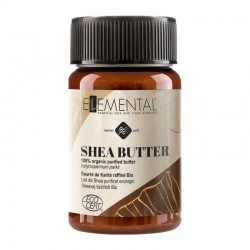
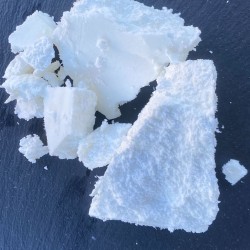
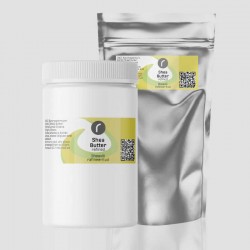
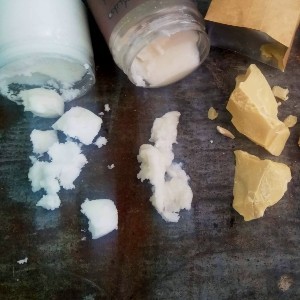
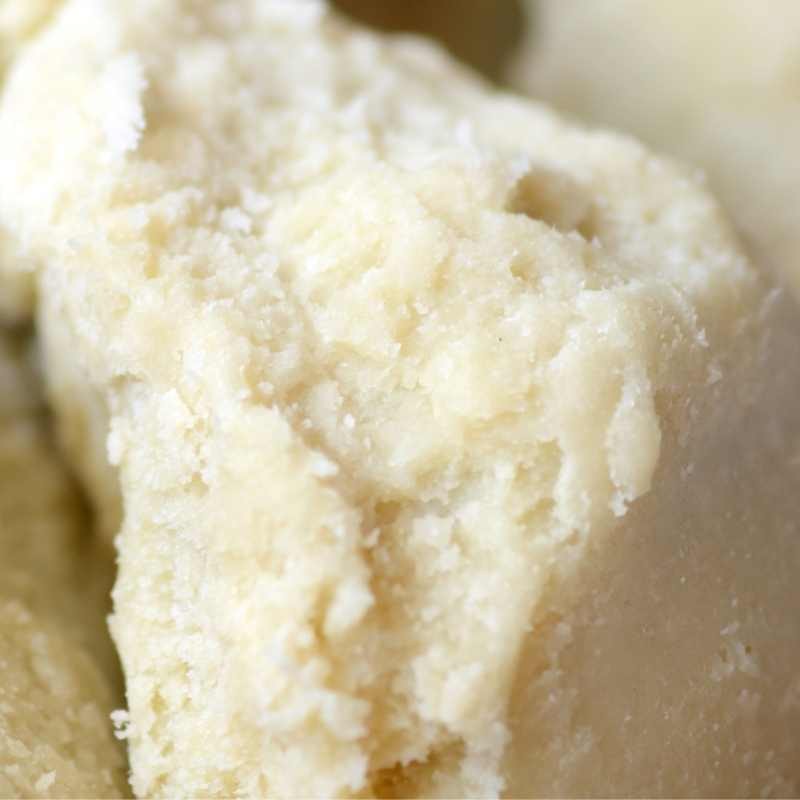
Cold-pressed and unrefined organic shea butter has been processed as little as possible, preserving vitamins, plant sterols, natural color and a unique nutty-smoky aroma. A rich and versatile nourishing butter for skin and hair care, as well as for soap making.
When using it, it should be noted that the aroma of the product also affects the smell of the finished product. You can find odorless organic shea butter here
Organic shea butter is cold-pressed from the nuts of the shea tree (Vitellaria paradoxa). In Ghana, the nuts are collected, cleaned and pressed by local women's cooperatives, using traditional methods passed down through generations. The unrefined, yellowish butter retains its natural color and aroma.
The butter contains nearly 5% unsaponifiable matter, including vitamin E, phytosterols, and triterpene alcohols, which are responsible for shea butter's antioxidant and skin-care reputation.
Unrefined shea butter is suitable for dry, normal, aging and sensitive skin, including skin prone to flaking. The rich butter melts into skin care and is suitable for use both in pure form and in mixtures with other vegetable oils.
Avoid using shea butter as a main ingredient on oily or acne-prone skin – it won’t clog pores, but its richness can feel heavy on already oily skin. However, in small amounts, it is suitable for this skin type.
Shea butter coats the hair shaft from the outside rather than being absorbed deep into the hair shaft – it helps retain moisture, tame frizz, and protect hair from heat and environmental damage. The butter is especially good for dry, thick, or curly hair; it may be too heavy for fine hair, so use a smaller amount or mix with lighter oils.
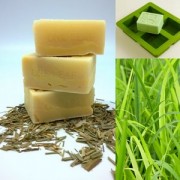
In cold and hot process soaps, shea butter provides both hardness (stearic acid) and conditioning properties (oleic acid), creating a thick, creamy, small-bubble lather. For enhanced lather, combine with oils high in lauric acid, such as coconut oil or castor oil.
A typical dosage in cold-process soap is 10–30%. In palm-free recipes, shea butter can be used at up to 40% without the soap becoming too soft, provided the overall saturated fat content remains balanced. Soap with a high shea butter content will remain light, which is useful if you want an intense and vibrant color range.
Saponification values: NaOH – 0.130 / KOH – 0.183 (182.5 mg KOH/g)
You can add shea butter to soap made from soap mass as an additional skin softening ingredient, but keep the amount below 20 g per kilogram of soap mass. Any higher amounts will reduce foaming and cleansing properties, and since shea butter does not saponify in the finished soap mass, it remains as a free fat in the soap.
Shea butter is compatible with other butters, vegetable oils, waxes and emulsifiers, and there are no known significant incompatibilities with common cosmetic ingredients. Always use an emulsifier in recipes containing water - without it, shea butter will not mix with water.

Data sheet
You might also like
 Exfoliating Foot Cream
  DIY Body Dcrub - 9 recipes
 Cold-pressed and unrefined organic shea butter has been processed as little as possible, preserving vitamins, plant sterols, natural color and a unique nutty-smoky aroma. A rich and versatile nourishing butter for skin and hair care, as well as for soap making.
When using it, it should be noted that the aroma of the product also affects the smell of the finished product. You can find odorless organic shea butter here