Apricot kernel oil | Relumee
search
  • Apricot kernel oil | Relumee

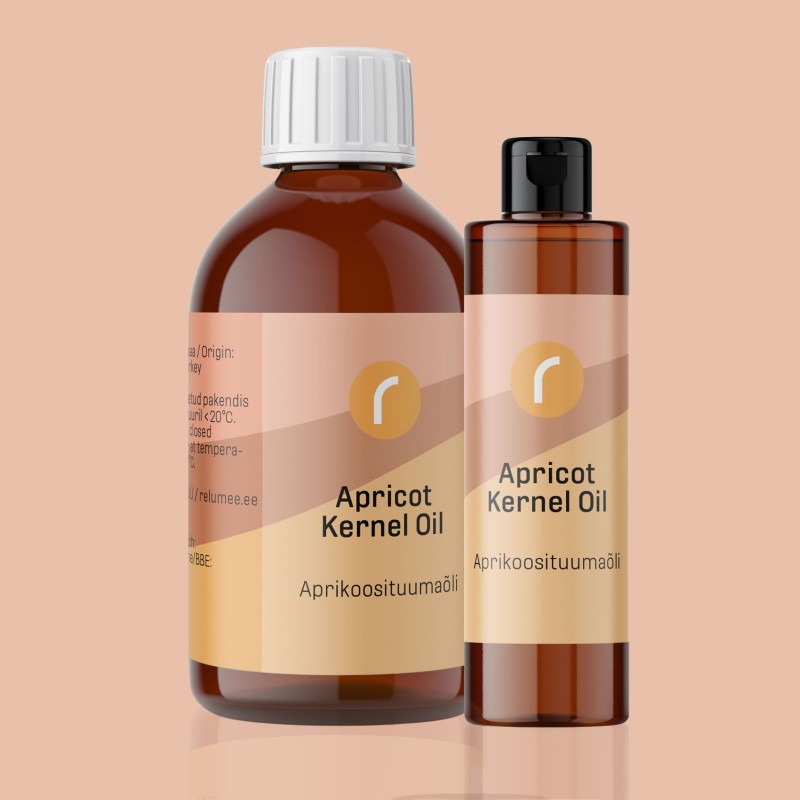
Apricot Kernel Oil

€4.00

Unit price: €4.00 / 100 ml

Includes VAT 24%
Option: 100 ml
Quantity

Best before: 17-05-2027

Must-have accessories

Dosing pump for 1L and 250 ml bottles

Apricot Kernel Oil — a light, skin-softening base oil for face, body and sensitive skin

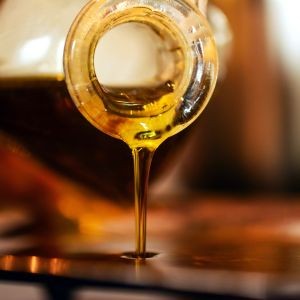
Light yellow apricot kernel oil is practically odorless, light and silky in texture. The oil is quickly absorbed without leaving the skin greasy. The fatty acid composition is similar to sweet almond oil, but apricot kernel oil is lighter and more quickly absorbed compared to almond oil.

Properties of apricot kernel oil

  • Light, silky texture — absorbs quickly without leaving skin greasy
  • Reduces water loss and helps retain moisture in the skin
  • Helps smooth skin texture and helps support the appearance of skin elasticity
  • Soothing — relieves dry, irritated and sensitive skin
  • contains vitamin E, which acts as an antioxidant and helps extend the shelf life of finished products
  • Suitable for all skin types, including sensitive, combination and aging skin
  • Low comedogenicity (1–2/4), does not clog pores
  • Odorless — does not interfere with added fragrances

Fatty acid composition

The composition of apricot kernel oil is dominated by oleic acid (65%) and linoleic acid (25%), supplemented with palmitic acid (5%) and stearic acid (3%).

Oleic acid (65%) is an Omega-9 fatty acid that moisturizes the skin, supports skin cell renewal and helps support the skin's barrier function. It is especially suitable for dry, chapped and sunburned skin. Due to its high oleic acid content, apricot kernel oil in its pure form is not the best choice for oily or acne-prone skin. In soap, oleic acid reduces foaming, but adds caring properties.

Linoleic acid (25%) is an Omega-6 fatty acid that strengthens the skin's lipid barrier, reduces flaking, and soothes sensitive skin. Linoleic acid, combined with oleic acid, gives apricot kernel oil both moisturizing and barrier-supporting properties — a combination that is well-suited for dry, normal, and aging skin.

Palmitic acid (5%) forms a protective layer on the skin and gives the soap hardness and creamy lather.

Stearic acid (3%) helps retain moisture in the skin and supports elasticity.

Apricot kernel oil contains vitamin E, which acts as an antioxidant and contributes to the stability of the oil.

Using apricot kernel oil in skin care

With its light texture and low comedogenicity, apricot kernel oil is suitable for dry, normal, sensitive and aging skin. It is also gentle enough for babies and for body care during pregnancy. In facial oils and serums, it works well both as a pure base oil and in a mixture with active oils such as rosehip or sea buckthorn oil. As a massage oil, it is a popular choice due to its silky glide and quick absorption that does not leave the skin oily. In creams, lotions and eye products, it gives the product a lightness.

Using apricot kernel oil in hair care

Apricot kernel oil is suitable for medium to high porosity hair. It smoothes the hair shaft, adds shine, and helps reduce breakage in brittle hair.

Using apricot kernel oil in soap

In cold-processed soap, apricot kernel oil provides caring and skin-softening properties. The high oleic acid content creates a creamy, small-bubble lather. In soap, it plays a more complementary role — combine with coconut fat or other oils high in lauric acid to ensure lather and hardness. The recommended dosage is 5-10%.

Saponification values: NaOH – 0.135 / KOH – 0.190

Technical information

INCI: Prunus Armeniaca Kernel Oil
Origin: Turkey
Processing: Pressed and deodorized
Appearance: Light yellow liquid
Odor: Practically odorless
Comedogenicity: 1–2 / 4

807394-100

Data sheet

Appearance
Colour: light yellow
Scent
Fairly odourless.
Manufacturing Method
Deodorized
Expeller pressed
Fatty Acids
Fatty acids are the main constituents of vegetable oils. Fatty acids determine the viscosity, absorption and other cosmetic properties of vegetable oils.In homemade soap made from fats and lye, the fatty acids affect the lather and hardness of the soap.
Oleic Acid
65%
Oleic acid softens the skin and helps the skin renew itself. Suitable for chapped or sunburned skin. The oleic acid in the soap is low-foaming, but softens the skin.
Linoleic acid
25%
Linoleic acid softens the skin and helps reduce flaking. In cold process soap acts as a skin softener.
Stearic acid
3%
Stearic acid helps maintain moisture in the skin, increases skin elasticity and helps skin recover faster from injuries. Stearic acid gives soap hardness and dense foam.
Palmitic Acid
5%
In cosmetic products, palmitic acid forms a protective layer on the surface of the skin. In soap, palmitic acid gives the soap hardness and a thick, creamy lather.
Skin type
Kuiv nahk
Normaalne nahk
Probleemne nahk
Tundlik nahk
Vananev
Source
Natural ingredient
Country of Origin
Turkey
Tooterühm
Taimne õli

You might also like

Comments (0)
No customer reviews for the moment.

Data sheet

Source
Natural ingredient
Country of Origin
Turkey
Tooterühm
Taimne õli
Appearance and scent
Appearance
Colour: light yellow
Scent
Fairly odourless.
How to Use
Skin type
Normaalne nahk
Kuiv nahk
Tundlik nahk
Probleemne nahk
Vananev
Fatty Acid Profile
Fatty Acids
Fatty acids are the main constituents of vegetable oils. Fatty acids determine the viscosity, absorption and other cosmetic properties of vegetable oils.In homemade soap made from fats and lye, the fatty acids affect the lather and hardness of the soap.
Oleic Acid
Oleic acid softens the skin and helps the skin renew itself. Suitable for chapped or sunburned skin. The oleic acid in the soap is low-foaming, but softens the skin.
65%
Linoleic acid
Linoleic acid softens the skin and helps reduce flaking. In cold process soap acts as a skin softener.
25%
Stearic acid
Stearic acid helps maintain moisture in the skin, increases skin elasticity and helps skin recover faster from injuries. Stearic acid gives soap hardness and dense foam.
3%
Palmitic Acid
In cosmetic products, palmitic acid forms a protective layer on the surface of the skin. In soap, palmitic acid gives the soap hardness and a thick, creamy lather.
5%
Manufacturing Method
Expeller pressed
Deodorized
Cookie consent