- -15%
The shopping cart discount will be replaced by loyalty discount starting August 15th. until that, registered customers will receive a 15% discount on all regular priced products.


Unit price: €1.15 / 100 g
Lowest price in 30 days: €11.47
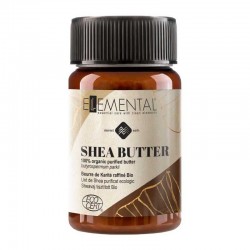
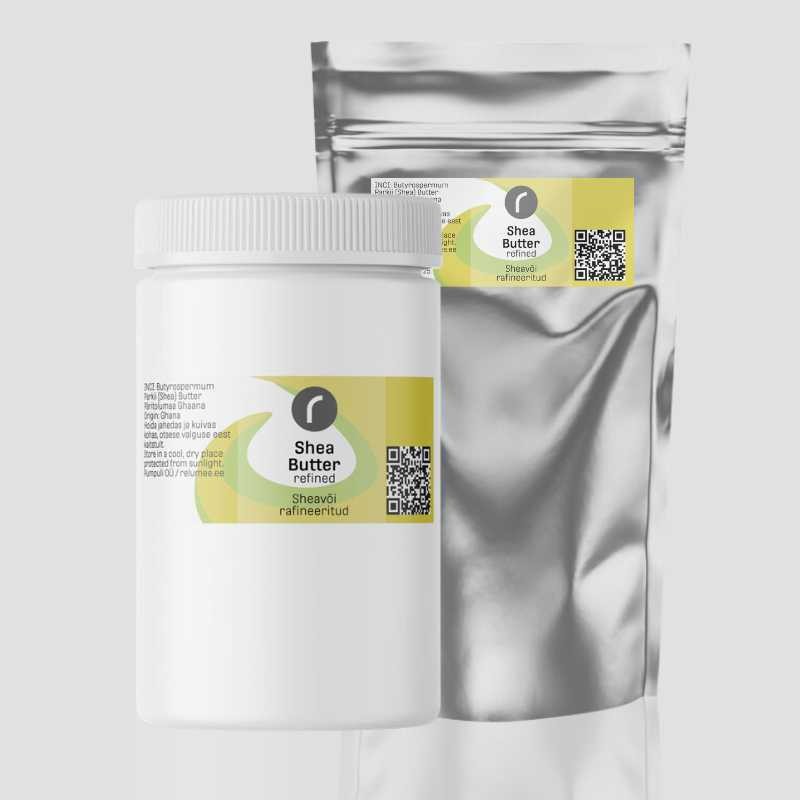
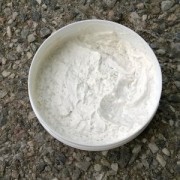
Shea butter is a moisturizing and well-absorbing skin softening butter that restores skin elasticity. Antioxidants found in fat inhibit and regulate the formation of free radicals. Refined shea butter is light in color and odorless. During refining, the consistency of shea butter becomes more uniform, the specific smell is removed and the color becomes lighter.
Shea butter is a good component for making whipped butter. Whipped shea butter is light and airy, easier to spread than pure shea butter. Butter is also suitable for use in lipstick and lip balm. Shea butter is used in soap because of its high content of stearic acid, which gives the soap its hardness. It forms a dense and small-bubble foam in soap, therefore it is wise to combine shea butter with other fats that improve foaming.
Shea butter is extracted from the nuts of the shea tree (Vitellaria paradoxa), which grows across the Sahel belt of West Africa. The nuts for Relumee's shea butter are collected by local women's cooperatives in Ghana, where cleaning, sun-drying, and pressing also take place. Refining in Europe removes the characteristic nutty scent and lightens the colour to white or off-white while keeping the fatty acid profile intact.
The result is a neutral-scented, versatile butter that works well both on its own and in formulations where you do not want the raw scent to interfere with fragrance choices.
Shea butter is one of the most widely used ingredients in natural cosmetics – and for good reason. Its balanced fatty acid profile makes it nourishing without being greasy, and it suits a wide range of skin types and product formats.
Key properties at a glance:
Shea butter's profile is split almost equally between oleic acid (~44%) and stearic acid (~44%), with smaller amounts of linoleic (6%), palmitic (4%), linolenic (1%), and arachidic acid (1%).
Stearic acid (44%) is the backbone of shea butter's performance. This saturated fatty acid forms a protective film on the skin, reduces transepidermal water loss, and supports the skin's barrier function. It also improves skin elasticity and helps damaged skin recover faster. In soap, stearic acid contributes hardness and a dense, stable lather.
Oleic acid (44%) is an Omega-9 fatty acid that softens the skin and supports cell renewal. It penetrates well and makes products feel rich without heaviness. It suits dry, cracked, or sun-damaged skin particularly well. In soap, oleic acid reduces lather volume but adds a conditioning, skin-softening quality.
Linoleic acid (6%) strengthens the skin's lipid barrier, reduces flakiness, and has a calming effect on reactive skin.
Palmitic acid (4%) reinforces the skin barrier and in soap contributes hardness and a creamy lather.
Linolenic acid (1%) soothes inflammation and helps ease redness and irritation.
Vitamin E and unsaponifiables – shea butter contains vitamin E, which acts as an antioxidant. Its high fraction of unsaponifiable compounds – including phytosterols and triterpene alcohols – contributes to its anti-inflammatory and skin-regenerating properties. This unsaponifiable fraction is higher in shea butter than in most other vegetable butters.
Shea butter suits dry, normal, and mature skin best. It is well tolerated by sensitive and eczema-prone skin.
Where shea butter works best:
Body butters and whipped body butters – Shea butter often makes up 50–80% of a body butter formula. It is combined with lighter oils, such as sweet almond oil, to create a softer texture that spreads more easily on the skin. Whipped body butter is one of the most popular DIY cosmetic products – shea butter provides structure, and adding a lighter oil gives the texture a silky feel.
Balms and salves – Use shea butter together with cocoa butter and beeswax. It adds skin‑softening and conditioning properties to the product. Recommended usage rate is 20–50%.
Creams and lotions – Recommended usage rate is 5–25%. Higher amounts make the formula thicker and more nourishing.
Lip balms and lip butters – Recommended usage rate is 20–40%. Shea butter acts as a softening and conditioning component in lip products.
Solid lotion bars – Recommended usage rate is 30–50%. Combining shea butter with cocoa butter and wax creates solid lotion bars that melt upon contact with the skin.
Face creams for dry or mature skin – Recommended usage rate 5–15%, used together with lighter facial oils.
Shea butter sits on the hair shaft rather than soaking in deeply, making it great for locking in moisture, smoothing frizz, and shielding against heat and environmental damage. It’s especially good for dry, coarse, or curly hair, but can feel heavy on fine hair unless used sparingly or mixed with lighter oils.
In hair butters and styling creams, using 30–60% shea with oils like argan or jojoba helps define curls, tame frizz, and add shine without stiffness.
For solid conditioner bars, blending shea with a conditioning emulsifier and fatty alcohols creates a bar that melts on wet hair. In scalp balms, pairing shea with anti-inflammatory oils like hemp seed or rosehip works well for soothing dry, flaky scalps.
Shea butter is prone to developing a grainy texture when it cools too slowly after melting. Its fatty acids have different melting points and can recrystallise unevenly, creating a gritty feel in the finished product.
To avoid this: melt shea gently over a water bath, blend with other oils while still fully liquid, then cool the finished product rapidly in a fridge or ice bath. For whipped products, move the mixture to the freezer for 10–20 minutes until nearly solid before whipping.
Graininess does not affect performance – but it does affect texture and customer perception, so it is worth getting right.
Shea butter is broadly compatible with other butters, vegetable oils, waxes, and emulsifiers. No significant incompatibilities are known with standard cosmetic ingredients.
In cold process or hot process soap, shea contributes both hardness (from stearic acid) and conditioning (from oleic acid). It produces a dense, creamy, low-bubble lather, so it works best paired with a high-lauric-acid oil such as coconut oil or castor oil to build foam.
Typical usage in cold process soap is 10–30%. In palm-free recipes it can go up to 40% without the bar becoming too soft, provided the overall saturated fat balance is right.
Soap made with a high proportion of shea stays pale, which is useful when you want true, clean colours from pigments or micas.
Saponification values: NaOH – 0.132 / KOH – 0.185
In melt-and-pour soap base, shea can be added as a superfat, but keep it below 20 g per kg of base. At higher amounts it reduces lather and cleansing performance. Since shea does not saponify in an already-made base, it remains as free fat in the bar.
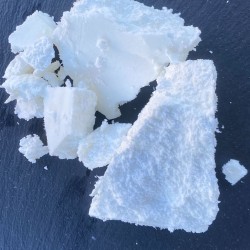
INCI: Butyrospermum Parkii (Shea) Butter Origin: Ghana (pressing) / Europe (refining) Appearance: White to off-white solid at room temperature Scent: Odourless (refined) Melting point: 32–46°C Shelf life: Up to 24 months stored correctly
Store in a sealed container in a cool, dark place. Avoid temperature fluctuations – repeated warming and cooling causes graininess and accelerates oxidation.
The 1 kg product comes in a food-grade, airtight polypropylene jar (safe to 70°C, recyclable). The 500 g and 3 kg sizes come in resealable foil bags.
Shea butter recipes - 8 recipes
Solid hand cream with shea butter and cocoa butter

Data sheet
You might also like
 Exfoliating Foot Cream
  Solid Hair Conditioner
 Shea butter is a moisturizing and well-absorbing skin softening butter that restores skin elasticity. Antioxidants found in fat inhibit and regulate the formation of free radicals. Refined shea butter is light in color and odorless. During refining, the consistency of shea butter becomes more uniform, the specific smell is removed and the color becomes lighter.
Shea butter is a good component for making whipped butter. Whipped shea butter is light and airy, easier to spread than pure shea butter. Butter is also suitable for use in lipstick and lip balm. Shea butter is used in soap because of its high content of stearic acid, which gives the soap its hardness. It forms a dense and small-bubble foam in soap, therefore it is wise to combine shea butter with other fats that improve foaming.